🧩 서론: 왜 HRD 검사가 중요한가?
암 치료에서 가장 중요한 키워드는 “정밀의학”입니다. 특히 유방암, 난소암, 전립선암 등에서 상동 재조합 결핍(HRD: Homologous Recombination Deficiency)은 PARP 억제제와 같은 표적치료의 반응 예측 인자로 널리 사용되고 있습니다.
하지만, HRD의 정의와 검사 방법은 아직 병원과 검사실마다 제각각이기 때문에, 이 논문은 임상분자진단 실험실이 따라야 할 HRD 검사 개발, 검증, 보고에 대한 권고안을 제시합니다.
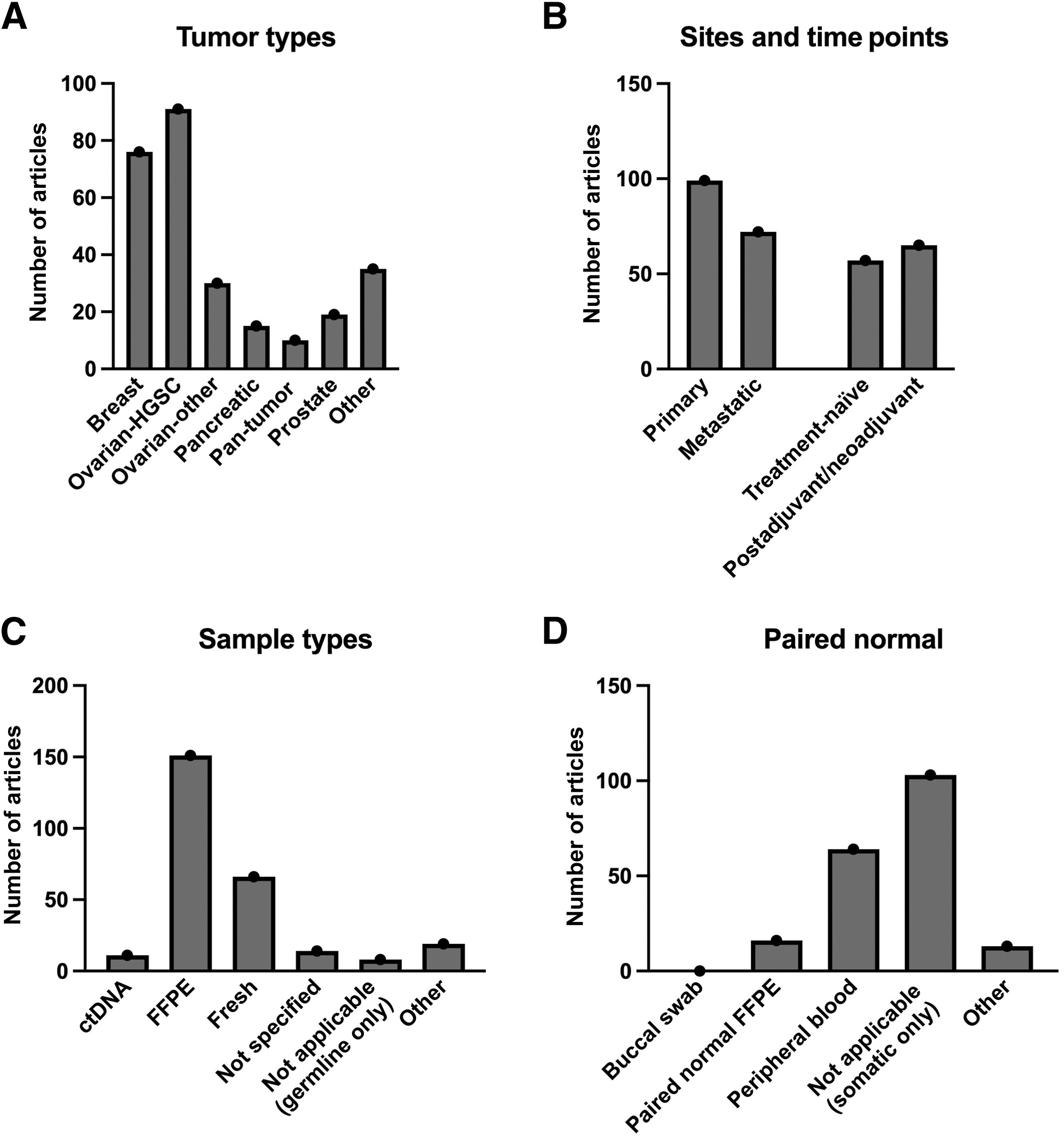
🧪 HRD란 무엇인가?
HRD는 세포의 DNA 이중가닥 손상을 정밀하게 복구하는 상동 재조합 복구(HRR) 경로에 문제가 생긴 상태입니다. 이 경로의 핵심 유전자에는 BRCA1, BRCA2, PALB2, RAD51C/D 등이 있으며, 이들 유전자의 변이 또는 기능상실이 HRD의 주요 원인입니다.
HRD 상태인 암은 DNA 손상에 취약하기 때문에 PARP 억제제(PARPi)에 민감하게 반응합니다.
🧭 HRD를 어떻게 측정하나?
현재 HRD를 진단하는 대표적인 방식은 두 가지입니다.
- HRR 유전자 변이 검사: BRCA1/2, PALB2, RAD51C/D 등
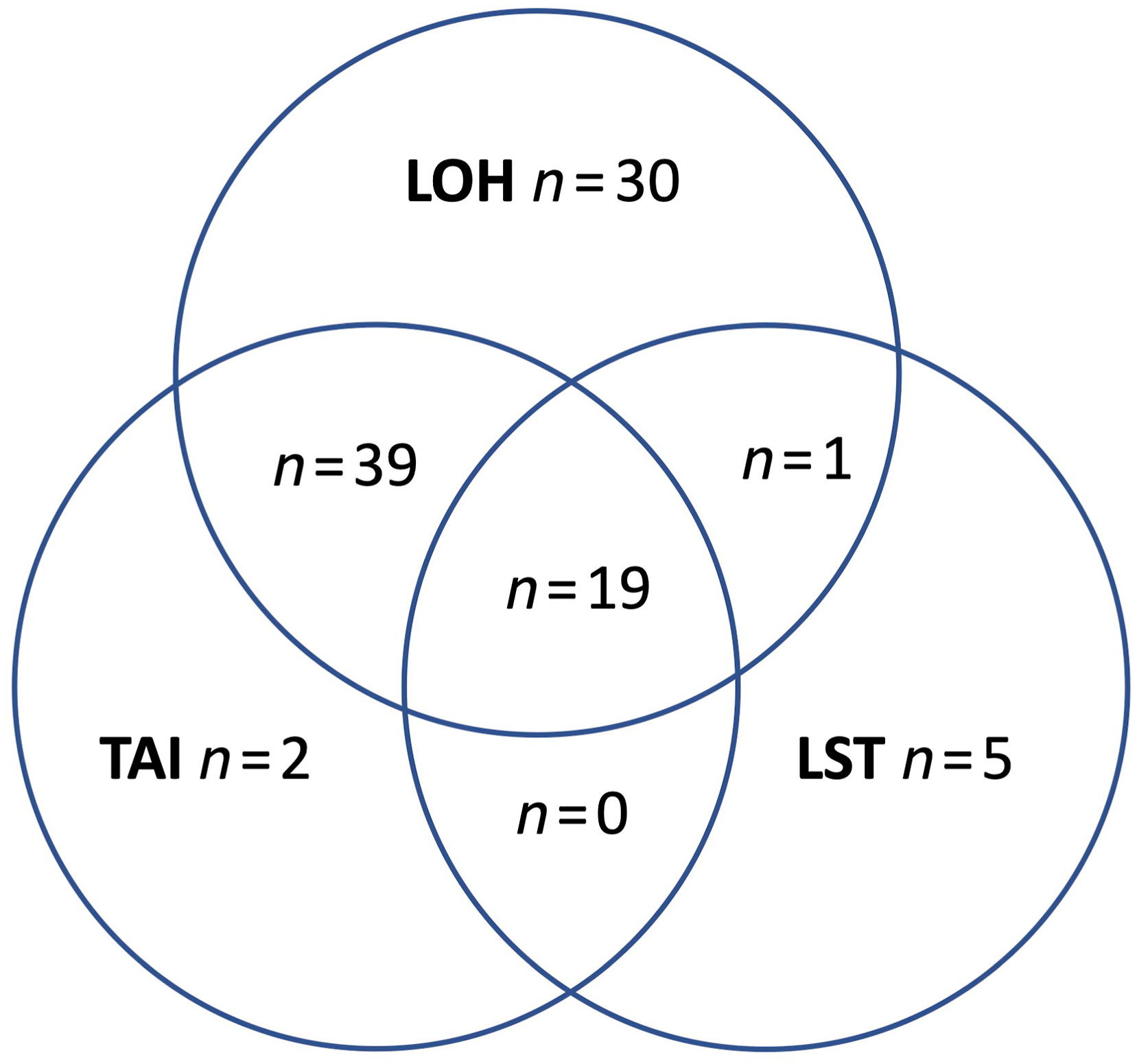
- 유전체 불안정성(Genomic scars) 분석:
- LOH (Loss of Heterozygosity)
- TAI (Telomeric Allelic Imbalance)
- LST (Large-scale State Transition)
FDA 승인을 받은 Myriad의 MyChoice HRD 검사는 이 두 가지를 통합한 종합 HRD 점수를 제공합니다.
🧬 실험실을 위한 12가지 권고안 요약
AMP(미국 분자병리학회)는 다음과 같은 12개 권고안을 제시했습니다.
샘플 측면 (권고 1–2)
- 조직 샘플의 세포 함량, 종류(예: FFPE), 대조 샘플 필요 여부 명시
- BRCA 음성 샘플에서도 HRD 양성 검체 포함해 검증할 것
검사 설계 (권고 3–10)
- BRCA1/2의 결실/중복 변이도 포함
- BRCA1 및 RAD51C 프로모터 메틸화 고려
- 최소 BRCA1/2, 그리고 PALB2, RAD51C/D 포함
- 유전체 scar, 변이 signature 조합 시 개별 및 종합 성능 평가
- 치료 저항성 평가 위해 역변이(reversion mutation)도 고려할 것
| No. | Category | Recommendation |
| 1 | Sample considerations |
Laboratories should assess and describe specimen requirements for evaluation of HRD biomarkers, including neoplastic cellularity, specimen type, and whether the assay requires a comparator sample, and document these factors in their validation report. |
| 2 | Sample considerations |
Laboratories developing assays assessing HRD phenotypes (genomic scars and/or mutational signatures) should include samples in their validation that are negative for BRCA1 and BRCA2 mutations but positive for an HRD phenotype. |
| 3 | Assay design |
Laboratories performing germline BRCA1 and BRCA2 mutation testing should include deletion/duplication analysis. If not included, the limitations of testing should be clearly described in the reported results. |
| 4 | Assay design |
Laboratories performing HRR gene mutation testing may consider methylation analysis of the BRCA1 and RAD51C promoters in HRR gene mutation-negative cases. |
| 5 | Assay design |
Laboratories using HRR gene mutation panels to predict the response to PARPi should include at minimum BRCA1 and BRCA2, and should strongly consider PALB2, RAD51C, and RAD51D. |
| 6 | Assay design |
Laboratories performing genomic scar assays for HRD phenotype detection should define the evaluated components (eg, LOH, LST, and TAI) and methods of identification in the validation document. |
| 7 | Assay design |
Laboratories using mutational signatures to detect HRD phenotypes should define which mutational signatures are evaluated in the validation and ensure that the assay encompasses sufficient genomic territory for this purpose |
| 8 | Assay design |
Laboratories using multiple HRD biomarkers in combination to predict response to PARPi should define, evaluate, and document their individual and composite performance during validation. |
| 9 | Assay design |
Laboratories assessing HRD phenotypes should consider performing BRCA1 and BRCA2 sequencing studies to assess for the presence of reversion mutations in patients with recurrent tumors previously treated with PARPi or platinum-based therapies. |
| 10 | Assay design |
Laboratories reporting HRD phenotype scores or thresholds should consider establishing and validating cutoff values for each tumor type tested and/or clearly denote where insufficient data exist to establish a cutoff. |
| 11 | Reporting | Laboratories reporting HRR gene mutations to predict the response to PARPi should include information on biallelic inactivation when available. |
| 12 | Reporting | Laboratories reporting HRD biomarkers should include key features of their assay (in brief) in the clinical report, including, but not limited to, definitions of HRD phenotype biomarkers evaluated, components of tumor-specific HRD scores or thresholds, HRR genes covered, and assay limitations. |
💡 임상 적용을 위한 주의사항
- 종양 유형별 기준점(cutoff)을 따로 설정할 것
- Biallelic inactivation 여부를 명확히 보고할 것 (이중 대립유전자 변이가 있는 경우 치료 반응이 더 좋음)
- 검사 보고서에는 HRD 점수 산정법, 분석된 유전자 목록, 한계점 등을 명확히 기재해야 함
🧠 한줄평
"정밀의료 시대, HRD 검사의 표준화는 환자 맞춤 치료의 출발점이다."
참고문헌 : DOI: 10.1016/j.jmoldx.2025.05.003
'PaperReviews > Diagnostics(Dx)' 카테고리의 다른 글
| AI가 바꾸는 폐암 진단의 판도: LUCID가 열어가는 정밀의료의 길 (1) | 2025.07.07 |
|---|---|
| 정확한 전립선암 조기 진단을 향한 진일보: NCCN 가이드라인에 새롭게 추가된 MPS 2.0과 Stockholm3 (0) | 2025.07.05 |
| 염색체 불안정성(CIN) 기반 바이오마커: 항암화학요법 저항성 예측의 새 지평 (0) | 2025.07.01 |
| 혈액암 진단에 혁신을 가져올 말초혈액 조혈모세포 분석: 골수 검사의 시대는 저물 것인가? (0) | 2025.06.30 |
| 암 진단의 혁신: AI 모델 'crossNN'이 열어갈 미래 (0) | 2025.06.29 |